Cusco Tours
Vacations & Travel Tips
Cusco City: Tours, Guides, and Travel Tips
Cusco City: Tours, Guides, and Travel Tips
Inca Ruins
Discover Machu Picchu and explore the ancient sites of the Inca Empire.
Sacred Valley
Visit Pisac, Ollantaytambo, and local markets full of history.
Adventure Trails
Go hiking, biking, or trekking through breathtaking Andean landscapes.
Culture
Learn about Cusco’s traditions, festivals, and Andean lifestyle.
Gastronomy
Enjoy Peruvian cuisine with dishes like ceviche and alpaca steak.
Rainbow Mountain
Hike to Vinicunca for one of the most colorful landscapes in Peru.
You've probably heard of Cusco while planning your trip to Peru, as it's a must-see stop before heading to Machu Picchu. However, this city has much more to offer than just being a starting point. Cusco is full of history, culture, and incredible places to discover.
Cusco, the ancient capital of the Inca Empire, was originally known as “Qosqo” or “Navel of the World.” This political, administrative, and religious center of the Tawantinsuyo stood out for its grandeur and, later, during the colonial era, became a key point in the Viceroyalty of Peru. Its Inca temples and palaces were transformed into churches and colonial buildings, many of which still retain their solid Inca foundations. Thanks to this unique blend of Inca and Spanish architecture, the city was recognized as a UNESCO World Heritage Site in 1983.
Today, Cusco combines history, modernity, and a charm that attracts thousands of visitors each year. Its Plaza de Armas and historic center are the cultural heart of the city, as well as the gateway to Machu Picchu and other impressive destinations such as Rainbow Mountain, the Inca Trail, Lares trek, and the Salkantay Trek. With its cultural richness and welcoming atmosphere, visiting Cusco is an unforgettable experience.
Cusco, once the capital of the mighty Inca Empire, is a city full of history, culture, and adventure. Nestled high in the Andes at 3,400 meters above sea level, this UNESCO World Heritage Site is much more than a gateway to Machu Picchu — it’s a destination that deserves to be explored in depth. Here are 7 top things to do in Cusco that will make your visit unforgettable.
Explore the historic center of Cusco, starting with the majestic Plaza de Armas, surrounded by colonial balconies and vibrant local life. Visit the impressive Qoricancha Temple, an ancient Inca religious center on which the Convent of Santo Domingo was built, and discover magnificent colonial churches such as the Cathedral of Cusco and the Church of the Society of Jesus, both built on the foundations of ancient Inca temples.
Stroll through the charming neighborhood of San Blas, known for its artisan workshops, the famous Twelve Angled Stone, and the picturesque Calle de los Siete Borreguitos. Be sure to visit the San Pedro market, where you can enjoy local products and the authentic flavors of Cusco.
If you want to enjoy a panoramic view of the city, climb up to Sacsayhuamán, an imposing archaeological complex located just a 20-minute walk from the Plaza de Armas.
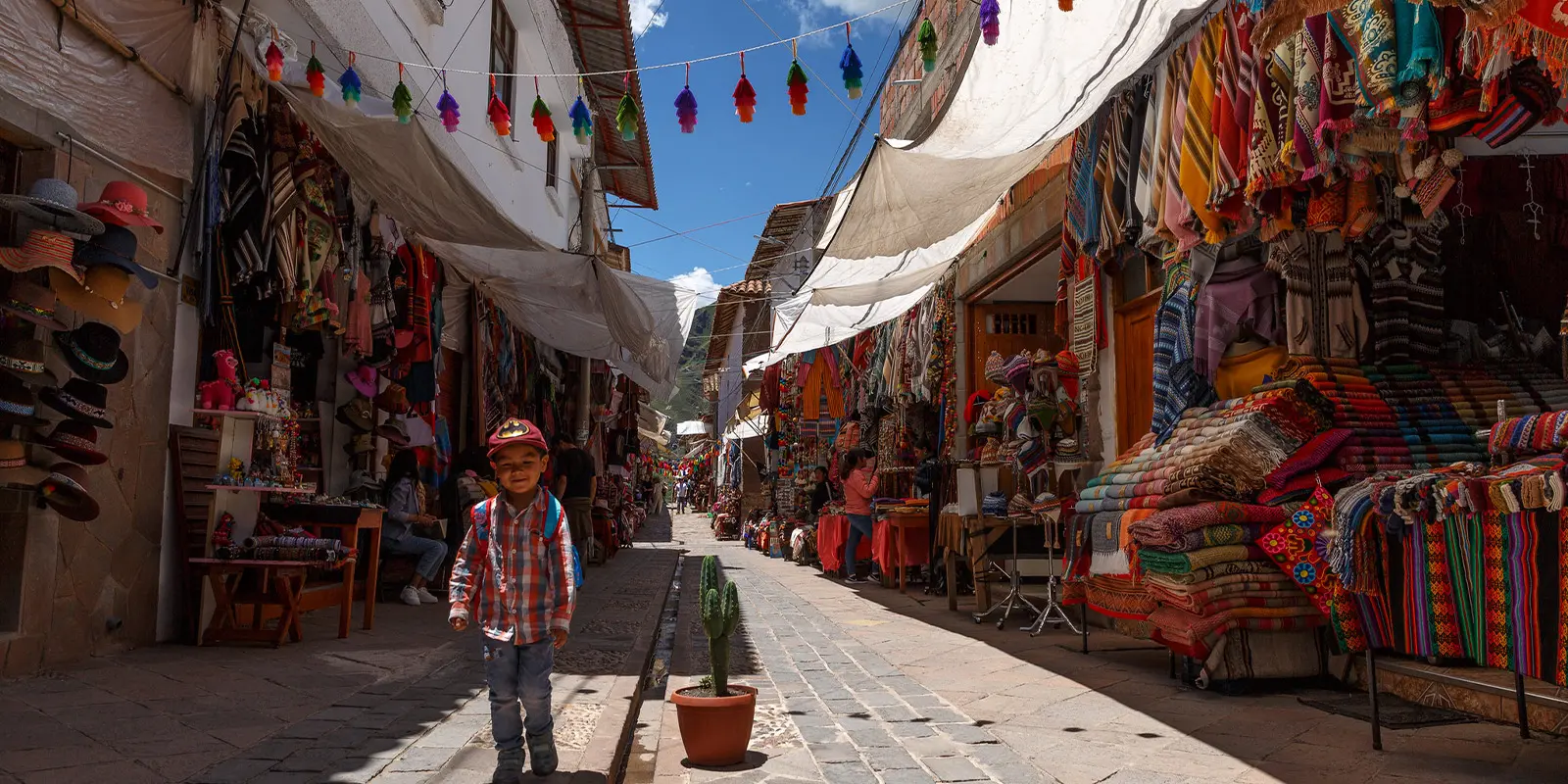
A short distance from Cusco, the Sacred Valley of the Incas is an impressive place due to its landscapes and fascinating archaeological sites such as Pisac, Ollantaytambo, Moray, and Chinchero. In addition, you can enjoy an authentic Andean experience by visiting local communities where ancestral customs are still preserved, such as hand weaving, the preparation of the traditional pachamanca (cooked underground), traditional agriculture, and colorful and cultural artisan markets.
The Sacred Valley is also a perfect destination for adventure lovers, with activities such as mountain biking, ATV rides, paragliding, and many other experiences that combine nature, culture, and adrenaline.
No trip to Cusco is complete without visiting Machu Picchu, one of the New Seven Wonders of the World. Take the scenic train from Cusco or Ollantaytambo to Aguas Calientes, then a short bus ride to the citadel. Wander among ancient temples, terraces, and sacred stones that reveal the genius of Inca architecture.
The stunning Rainbow Mountain (Vinicunca) is one of Peru’s most famous natural wonders, known for its colorful layers created by mineral deposits. The trek rewards visitors with breathtaking Andean views and encounters with local Quechua communities.
Tip: Acclimatize for a few days before hiking — the altitude can be challenging.
the world. If permits are sold out, there are alternative routes such as Salkantay (a challenging hike with spectacular mountain scenery), Lares (a cultural experience through traditional Andean communities), or Inca Jungle (a more adventurous route that combines cycling, hiking, and zip-lining).
There are also Choquequirao (not directly connected to Machu Picchu, but if you extend the hike from 7 to 8 days, it is possible to get there) and Ausangate (does not reach Machu Picchu, but offers an impressive route through snow-capped mountains, turquoise lagoons, and high Andean villages)
From luxury 5-star resorts to budget-friendly stays, Cusco offers accommodations for every traveler.
Located steps from Plaza de Armas in a restored colonial mansion featuring heated outdoor pool, spa, and Inca-inspired suites.
A former 16th-century monastery, located one block from the main square, blending Baroque art with modern comfort.
Facing Qoricancha, preserving history with luxury suites, world-class spa, and elegant dining.
An exclusive boutique hotel in Plaza Nazarenas with 16th-century charm and personalized service.
Built in a restored convent with spa, gourmet dining, and rooms equipped with oxygen for high altitude.
Coming soon: Best affordable 3-star hotels.
Discover traditional Peruvian cuisine, fine dining, and local street food that make Cusco a culinary destination.
Choose from our 1- to 7-day tours in Cusco and enjoy a worry-free experience. We take care of all the details so you can focus on enjoying your trip.

Difficulty: Moderate

Difficulty: Moderate

Difficulty: Moderate

The official currency in Cusco, as in the rest of Peru, is the Peruvian Sol (PEN).
Traveling to Peru, especially to Cusco, is an unforgettable experience full of culture, history, and breathtaking landscapes. However, it is also important to be prepared in practical terms, such as how to handle money. One of the most common questions among travelers is: how many soles (PEN) are equivalent to one dollar (USD)? In this article, you will learn about the current exchange rate, the factors that influence its variation, and some useful tips for exchanging your money safely.
This is one of the most frequently asked questions among any of the travelers who plan to go on vacation to the country of the Incas. The national currency of Peru is the Nuevo Sol; However, dollars are also accepted, this is due to the current and extensive diffusion of the dollar in much of the world.
This acceptance has made the dollar widely accepted in the country, since it is possible to make purchases in the vast majority of establishments, such as restaurants, bars, hotels, etc. Especially if they are from the tourist field.
However, you must also have national money on hand at all times, not all establishments in Peru work with dollars, this only applies to large cities, so if you travel to a distant place you should have the national currency to avoid any problem.
We must consider that the price of the dollar varies every day and is also influenced by the location where you make the exchange.
On the other hand, it is advisable to exchange currency in places where there are more entities that carry out this process. Therefore, the most optimal places are as follows:
As we have already noted, Avenida Sol is the most dynamic place for currency exchange, so it is advisable to do this there. However, you can find places to exchange currency throughout the Historic Center. If you want to exchange currency outside the Historic Center, this is also possible, for example at Peru Money – Western Union in Real Plaza Cusco.