

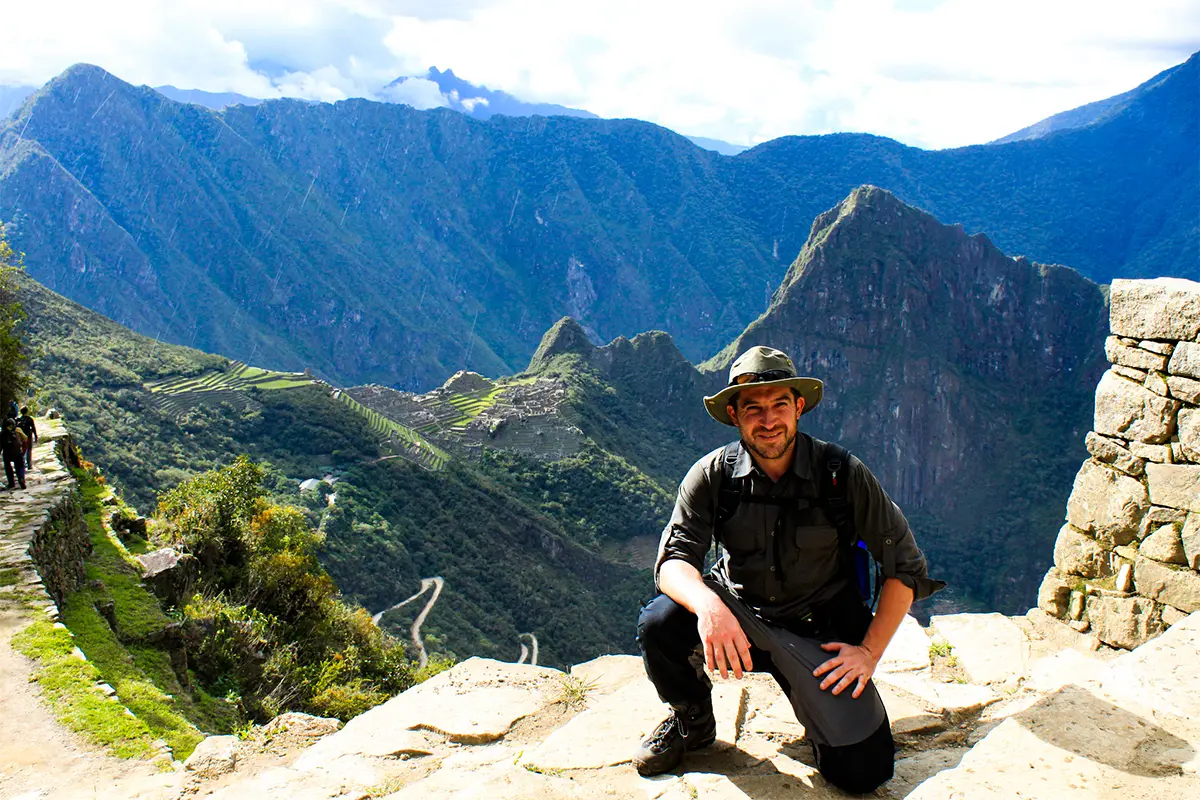
The Sun Gate at Machu Picchu, also known as Inti Punku, is a significant archaeological site located above the ancient Inca citadel. It served as the entrance for travelers arriving via the Inca Trail and offers breathtaking views of Machu Picchu. The structure is associated with the worship of Inti, the Sun God, and remains one of the most visited viewpoints within the sanctuary. Today, it is a popular destination for visitors seeking to experience both the history and landscape of Machu Picchu.
What Is the Sun Gate at Machu Picchu (Inti Punku)?
The Sun Gate at Machu Picchu offers breathtaking views and is a must-visit for any traveler exploring this ancient site.
An Inti Punku is a “Sun Gate”; it comes from Quechua (Inti: sun, punku: gate). It refers to the stone gates built by the Incas. They were often found on mountain ridges or key passes. This way, the first rays of the sun could shine through during solstices or important ceremonies. The most famous Intipunku is located in the Machu Picchu Historic Sanctuary, at the end of the Inca Trail.
For the Incas, the Inti Punku was more than a control point. Its strategic orientation with the skies gave the gate deep astronomical and spiritual significance. It was a tool to interpret the solar calendar that guided Inca rituals and agriculture.
History
The Intipunku was built by the Incas in the mid-15th century, during the reign of Pachacútec. It is located on a mountain pass at 2745 meters (9005 ft). When Machu Picchu was brought to international attention in 1911 by Hiram Bingham, Intipunku was also noted as part of the original approach into the citadel from the Inca Trail.
Historians believe that ritual processions took place here. They presume that pilgrims and nobles, before entering Machu Picchu, paused here at dawn to offer offerings to Inti, the Sun God. Historians believe the Sun Gate was the symbolic limit between the everyday world and the sacred space of the citadel.
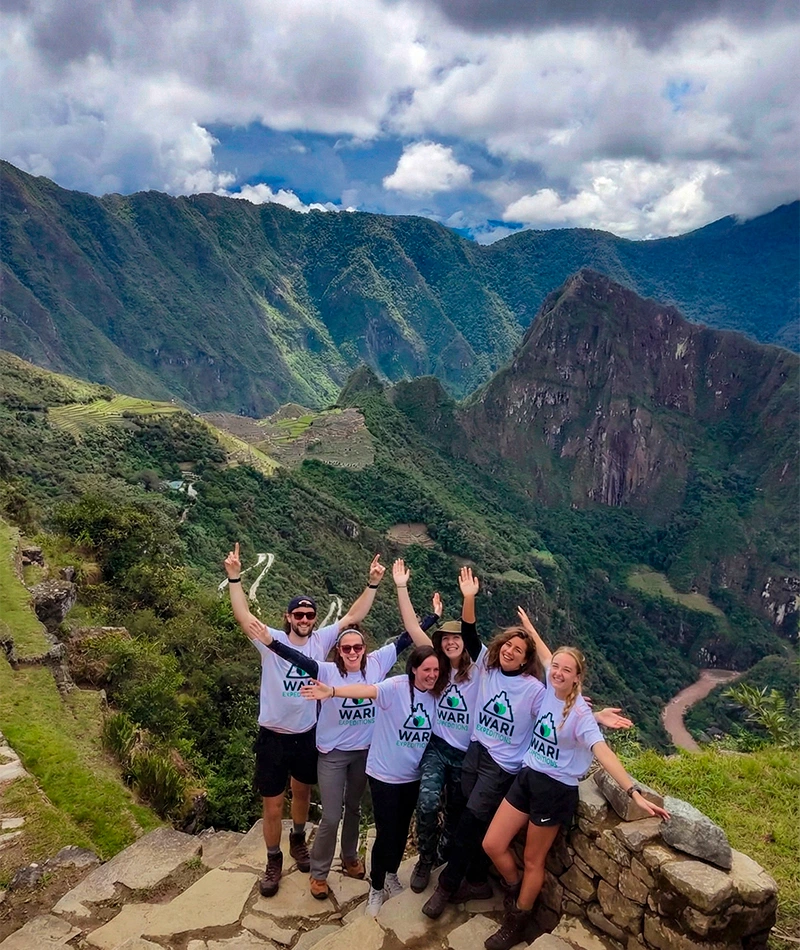
How to Visit the Sun Gate in 2027
In recent years, the Ministry of Culture has updated access regulations to protect the site. Today, it can be accessed in two ways:
1. Arrival via the Classic Inca Trail (4 days or 2 days)
If you hike the famous Inca Trail, the Sun Gate will be your final reward. On the 4-day Inca Trail, you’ll typically arrive at dawn on your last day, as Machu Picchu slowly emerges from the mist. On the 2-day Inca Trail, you’ll arrive in the afternoon, enjoying your first panoramic view of the citadel.
2. Hiking from Machu Picchu – Circuit 1C
If you are not trekking the Inca Trail, you can still visit Intipunku by following Circuit 1C, one of the official routes inside Machu Picchu. The hike starts near the lower terraces of the site and climbs steadily for about 1.5-2 hours. The path is stone-paved, with stairs and gradual ascents.
The highlights of this option: reaching Intipunku from this route allows you to stand at the same ceremonial site the Incas once did, but without the strenuous effort.
Sun Gate at Machu Picchu Details
- Age Restrictions: There is no age limit.
- Height: 2,720 m / 8,924 ft.
- Altitude Gain: 290 m (951 ft).
- Location: The Sun Gate is located in the upper part, southeast of Machu Picchu.
- Trail Description: The Sun Gate follows a trail that is more gradual at no more than 35 degrees in angle. As you get close to Sun Gate, the path turns steeper and a little more difficult(the last 15 minutes)
- Archaeological Attractions: Terraces and the unparalleled Sun Gate,
- Advantages: You experience part of the original Inca Trail.
- Walking Time: 2 hours roughly(round trip)
- Difficulty: Moderate
- Walking distance: 4 km/ 2.48 miles (round trip).
Best Time of the Year for hiking up to the Sun Gate
There are two main seasons in the sub-tropical Peruvian Andes:
- The dry season runs from late April through to early October.
- The wet season starts mid to late October and ends in April.
But, when is the best time of the year for hiking up to the Sun Gate?
The hike can technically be completed all year round, the peak trekking season to Machu Picchu occurs during the dry season and is busiest between May and September. So, the best time of year to do the hike up to the Sun Gate is from April to September.
