

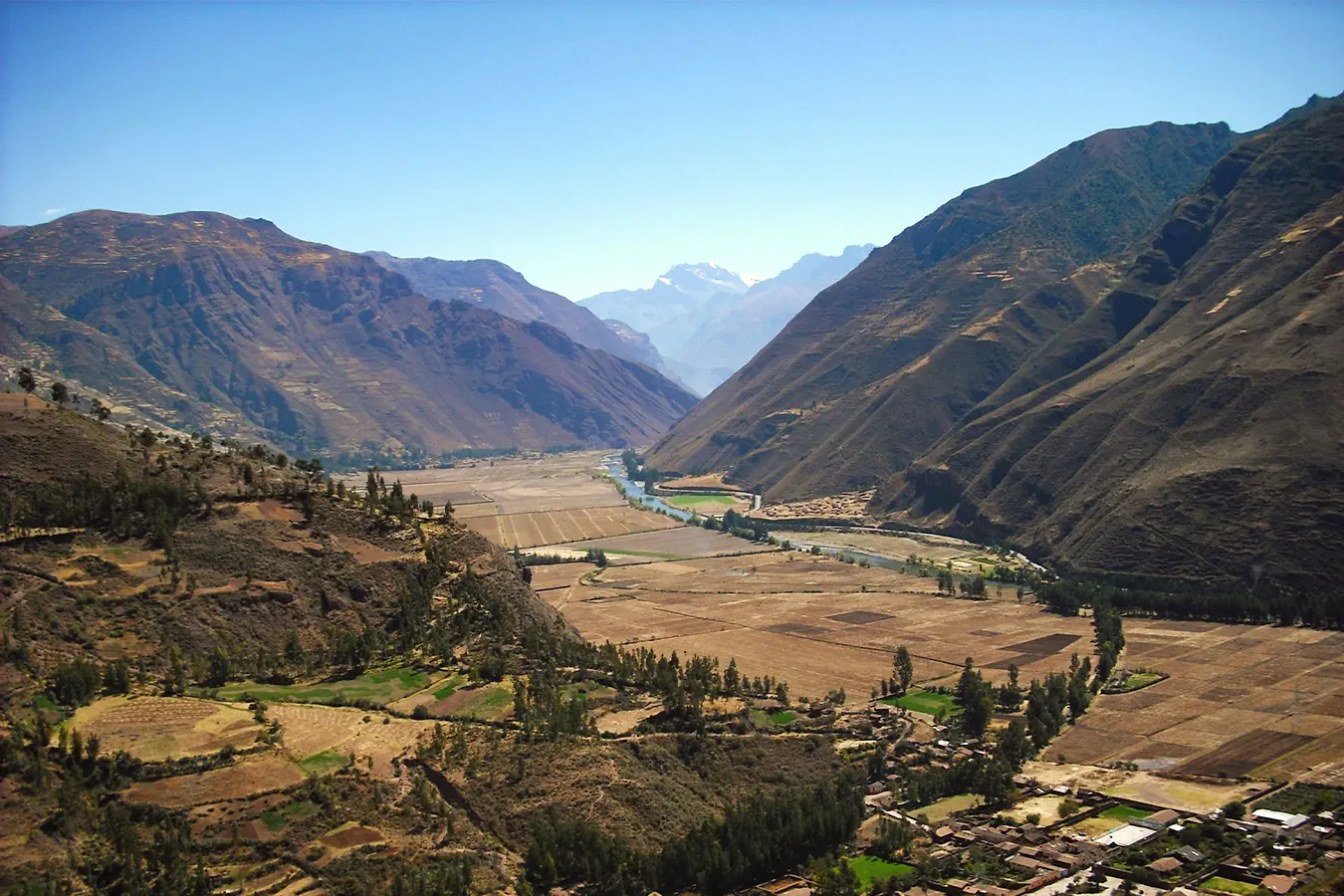
The Sacred Valley of the Incas is not just a stop on the way to Machu Picchu, but one of the most important places in the ancient empire, where the Incas lived, farmed, and held ceremonies; Located along the Vilcanota River, this valley preserves impressive terraces, canals, and structures that still stand out today for their engineering, and in this guide you will discover the main archaeological sites that form part of the history and essence of Cusco.
1. Pisac Archaeological Site
Pisac is one of the most impressive archaeological complexes in the Sacred Valley, situated atop a mountain overlooking the Vilcanota River. This site stands out for its combination of agricultural, religious, and military zones, which highlights the Incas’ advanced planning.
- Perfectly aligned agricultural terraces
- Ceremonial temples and religious areas
- Natural viewpoints overlooking the valley
2. Ollantaytambo Archaeological Site: The Living Inca City
Ollantaytambo is an ancient Inca city that still retains its original layout, allowing visitors to imagine what life was like during the empire. It was an important military, religious, and agricultural center, as well as a site of resistance against the Spanish conquistadors. It is notable for its enormous, finely carved stone blocks, the Temple of the Sun located on the upper level, its impressive agricultural terraces, and the irrigation channels that, surprisingly, are still in use today.
- Huge, finely carved stone blocks
- The Temple of the Sun on the upper level
- Monumental agricultural terraces
- Water channels still in use
Best Seller Trek
2-Day Inca Trail to Machu Picchu
Experience the Short Inca Trail and arrive at Machu Picchu through the iconic Sun Gate.
3. Moray Archaeological Site
Moray is famous for its concentric circular terraces, which form a sort of natural amphitheater. It is believed to have been an Inca agricultural laboratory, where experiments were conducted with different microclimates to improve and adapt crops. Each level has different temperatures, which allowed for testing various agricultural conditions. It also features an advanced drainage system that prevented flooding, demonstrating the Incas’ extensive knowledge and innovation in land management.
4. Maras Salt Mines
The Maras salt flats consist of thousands of small pools fed by a natural saltwater spring, a system that dates back to pre-Inca times and remains in use today. With more than 3,000 salt pools, this site is renowned for its traditional artisanal production, in which local families continue to use ancient harvesting techniques. Beyond its cultural value, it also offers a truly unique landscape in the region and plays an important role in the local economy.
- More than 3,000 salt pans
- Traditional artisanal production
- A landscape unique to the region
- Local economic importance
5. Chinchero
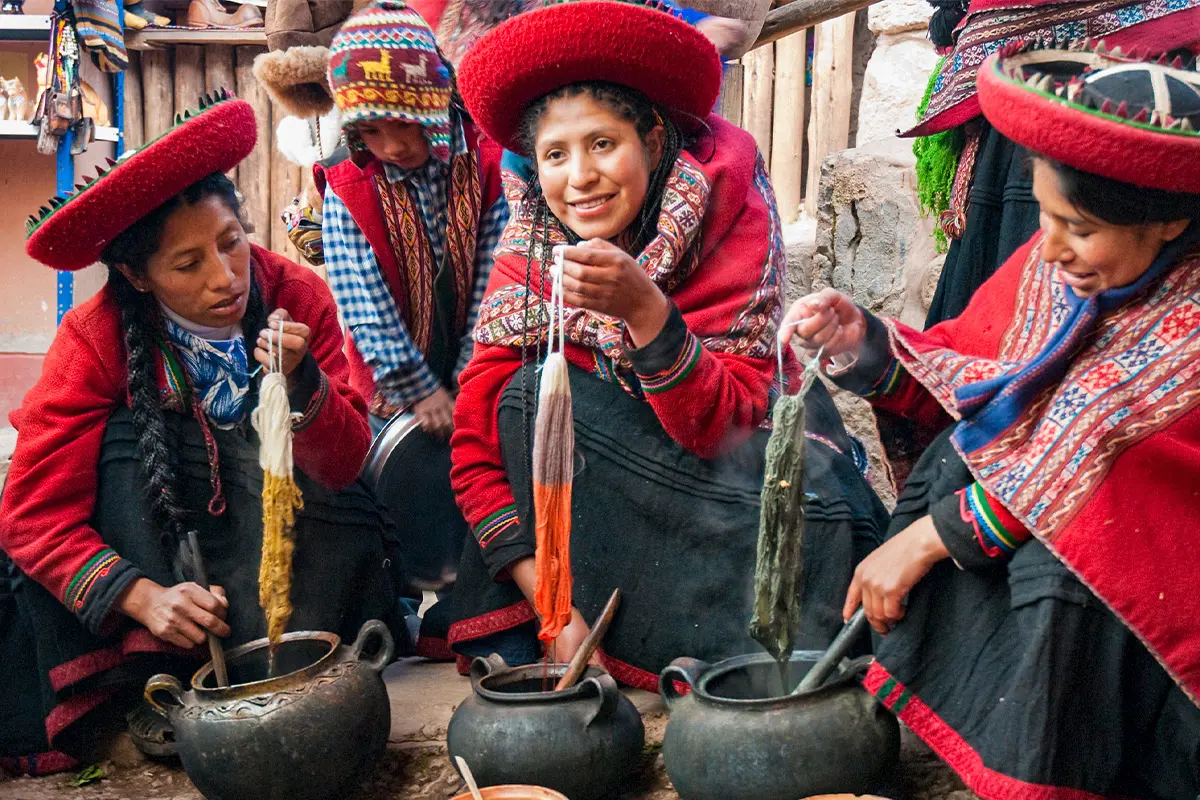
Chinchero is a special place where Inca archaeological remains blend with the living traditions of the Andes. During the empire, it was an important agricultural center, and today it stands out for its strong cultural identity, especially in the field of textile art. Here you can see extensive agricultural terraces, Inca structures, a colonial church built on ancient Inca foundations, and communities that still keep their ancestral weaving techniques alive.
- Remains of Inca structures
- Colonial church built on Inca foundations
- Ancient textile tradition
Frequently Asked Questions
What is the best archaeological site in the Sacred Valley?
Pisac and Ollantaytambo are considered the most impressive due to their size and historical significance.
How long do you need to visit the Sacred Valley?
A full-day tour is enough to visit the main sites, but 2 days is recommended for a more relaxed experience.
Is it worth visiting Moray?
Yes, Moray is unique due to its circular terraces and agricultural experimentation history
