

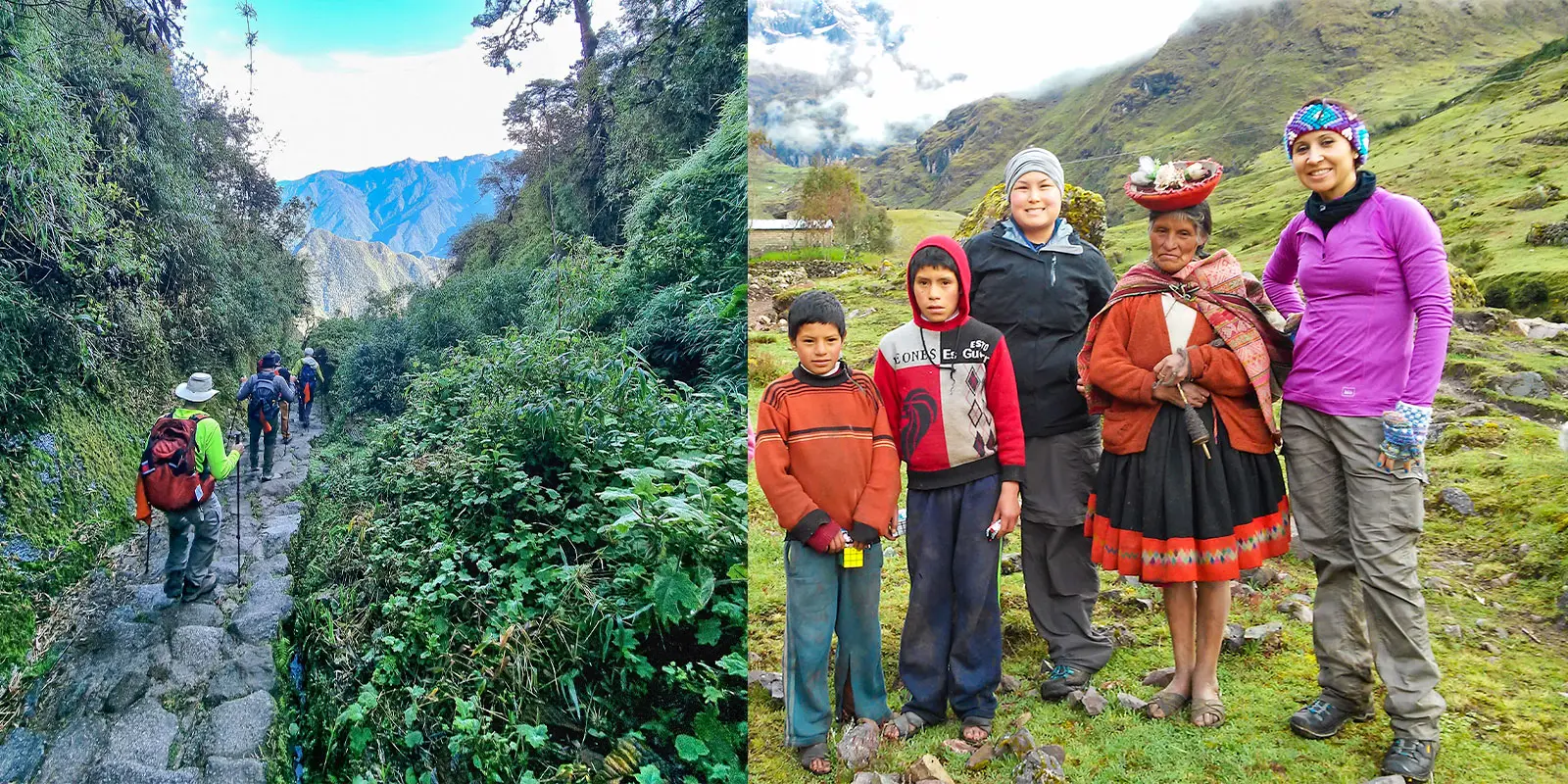
Planning a trek to Machu Picchu is one of the most exciting parts of traveling to Peru. However, many travelers face the same question: Should I choose the Inca Trail or the Lares Trek? Both routes offer incredible scenery, cultural experiences, and unforgettable adventures in the Andes, but they provide very different experiences.
Quick Comparison: Inca Trail vs Lares Trek
| Feature | Inca Trail | Lares Trek |
|---|---|---|
| Access to Machu Picchu | Through the Sun Gate | By train after the trek |
| Archaeological Sites | Many Inca ruins | Few archaeological sites |
| Cultural Experience | Moderate | Excellent |
| Mountain Scenery | Very good | Outstanding |
| Permit Required | Yes | No |
| Advance Booking | 6-12 months recommended | Flexible |
| Trek Difficulty | Moderate to Challenging | Moderate |
| Popularity | Very popular | Less crowded |
Note: The Lares Trek does not require an advance trekking permit. However, booking in advance is strongly recommended to secure the best Machu Picchu circuit ticket. It is also possible to combine the Lares Trek with a short section of the Inca Trail for a more complete Andean adventure.
What Makes the Inca Trail Special?
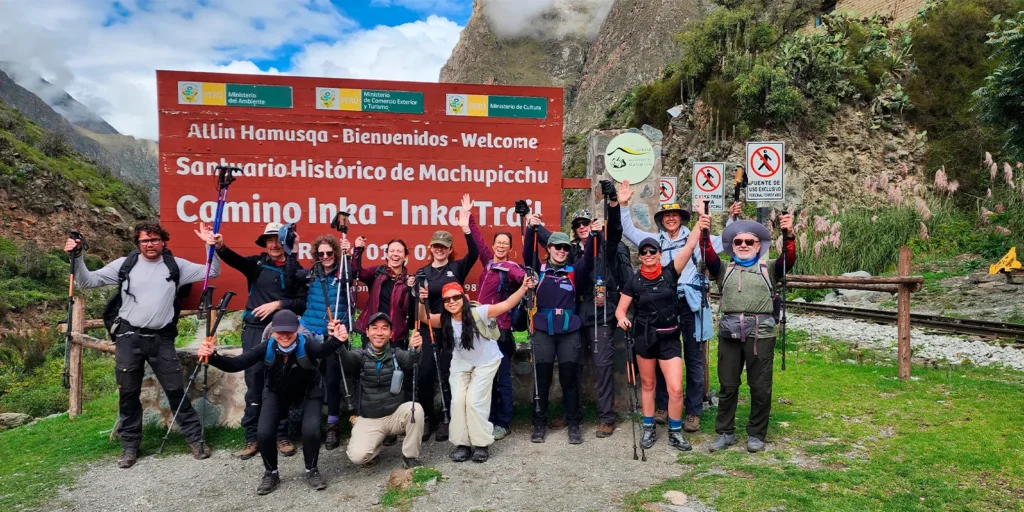
The Inca Trail is the most famous trek in South America and one of the world’s most iconic hiking routes. This historic pathway follows sections of the ancient Inca road network and leads directly to Machu Picchu.
During the trek, hikers pass through cloud forests, mountain passes, and impressive archaeological sites such as Wiñay Wayna and Sayacmarca. The highlight for most travelers is arriving at the Sun Gate (Inti Punku) at sunrise and seeing Machu Picchu appear below.
Because the trail is protected by the Peruvian government, only a limited number of permits are issued each day. This exclusivity helps preserve the route but also means travelers must book months in advance, especially during the high season.
Why Choose the Lares Trek?
The Lares Trek is often described as Peru’s hidden gem. Unlike the Inca Trail, the focus is less on archaeological sites and more on nature and local culture.
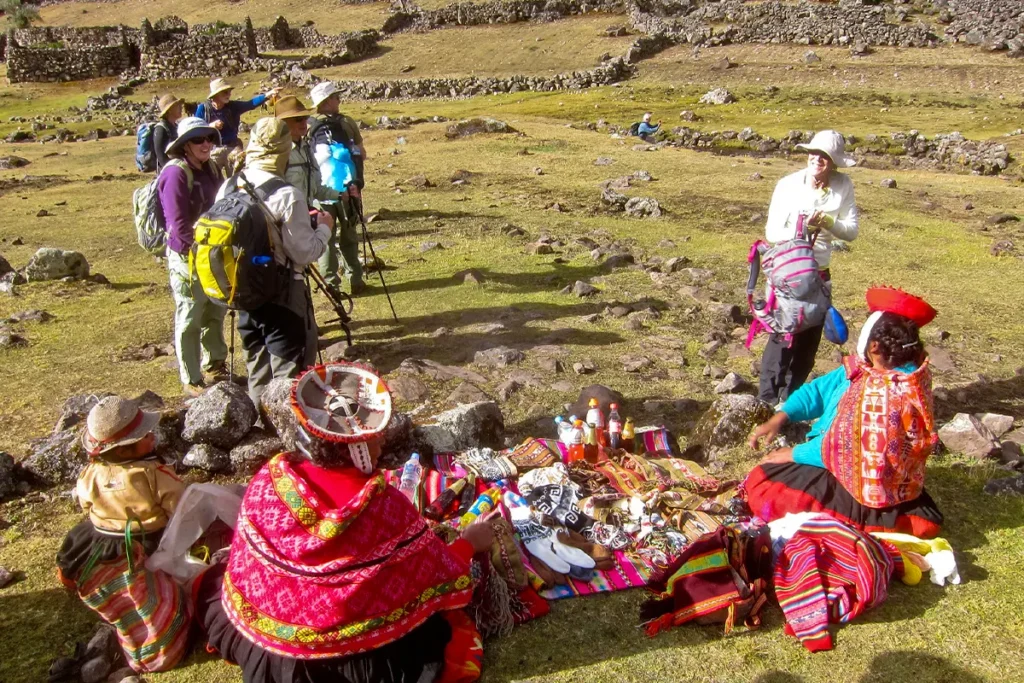
Along the route, hikers cross remote mountain valleys, high-altitude passes, crystal-clear lakes, and traditional Andean villages where local families still maintain centuries-old customs. It is common to see alpacas, llamas, and local farmers dressed in colorful traditional clothing.
One of the biggest advantages of the Lares Trek is flexibility. No permits are required, making it an excellent alternative for travelers who cannot secure Inca Trail permits or prefer a less crowded adventure.
After completing the trek, travelers usually continue to Machu Picchu by train from Ollantaytambo or another nearby station.
Best For:
- Nature lovers
- Photographers
- Cultural travelers
- Last-minute bookings
- Travelers seeking fewer crowds
Which Trek Has Better Scenery?
Both treks are beautiful, but the landscapes are different.
The Inca Trail combines mountain scenery with archaeological attractions. The views are impressive, but much of the excitement comes from discovering ancient ruins along the route.
The Lares Trek focuses heavily on natural beauty. Travelers often encounter turquoise lakes, snow-capped peaks, waterfalls, and traditional villages with very few tourists. Many experienced hikers consider the Lares Trek to have some of the most spectacular mountain scenery in the Cusco region.
Which Trek Is More Difficult?
Both routes require a reasonable level of physical fitness, as they reach altitudes above 4,000 meters (13,123 feet).
The Inca Trail includes many stone steps, steep ascents, and descents. The famous The Dead Woman’s Pass (Paso de la Mujer Muerta) can be physically demanding for some hikers.
The Lares Trail also includes high-altitude passes, but many travelers find it less physically demanding because there are fewer stone steps and more sections with gentler slopes.
Regardless of which route you choose, it is highly recommended that you spend at least two days in Cusco before starting the trek to help your body acclimate to the altitude.
Which Trek Offers the Best Cultural Experience?
When it comes to authentic interaction with local communities, the Lares Trek stands out.
The route passes through traditional Andean villages where Quechua culture remains strong. Travelers often have opportunities to meet local families, observe traditional weaving techniques, and learn about daily life in the mountains.
The Inca Trail focuses more on archaeological heritage than cultural interaction. While guides provide fascinating information about Inca history, encounters with local communities are more limited.
For travelers interested in living culture rather than ancient history alone, the Lares Trek offers a richer cultural experience.
Inca Trail or Lares Trek: Which One Should You Choose?
Choose the Inca Trail if:
- You want the most famous trek to Machu Picchu.
- Walking through ancient Inca ruins is a priority.
- Entering Machu Picchu through the Sun Gate is a dream experience.
- You can book permits several months in advance.
Choose the Lares Trek if:
- You prefer fewer tourists and quieter trails.
- Mountain scenery is more important than archaeological sites.
- You want meaningful cultural interactions.
- You need a trek that can be booked with greater flexibility.
- It can also be combined with the Short Inca Trail hike to Machu Picchu
Both the Inca Trail and the Lares Trek offer unforgettable experiences, each with its unique charm and challenges. Whether you choose the historical allure of the Inca Trail or the cultural richness of the Lares Trek you’ll be rewarded with stunning landscapes, fascinating history, and a deep connection to the spirit of the Andes.
Whichever trek you choose, make sure to prepare adequately, respect the local environment and communities, and savor every moment of your Andean adventure.
