

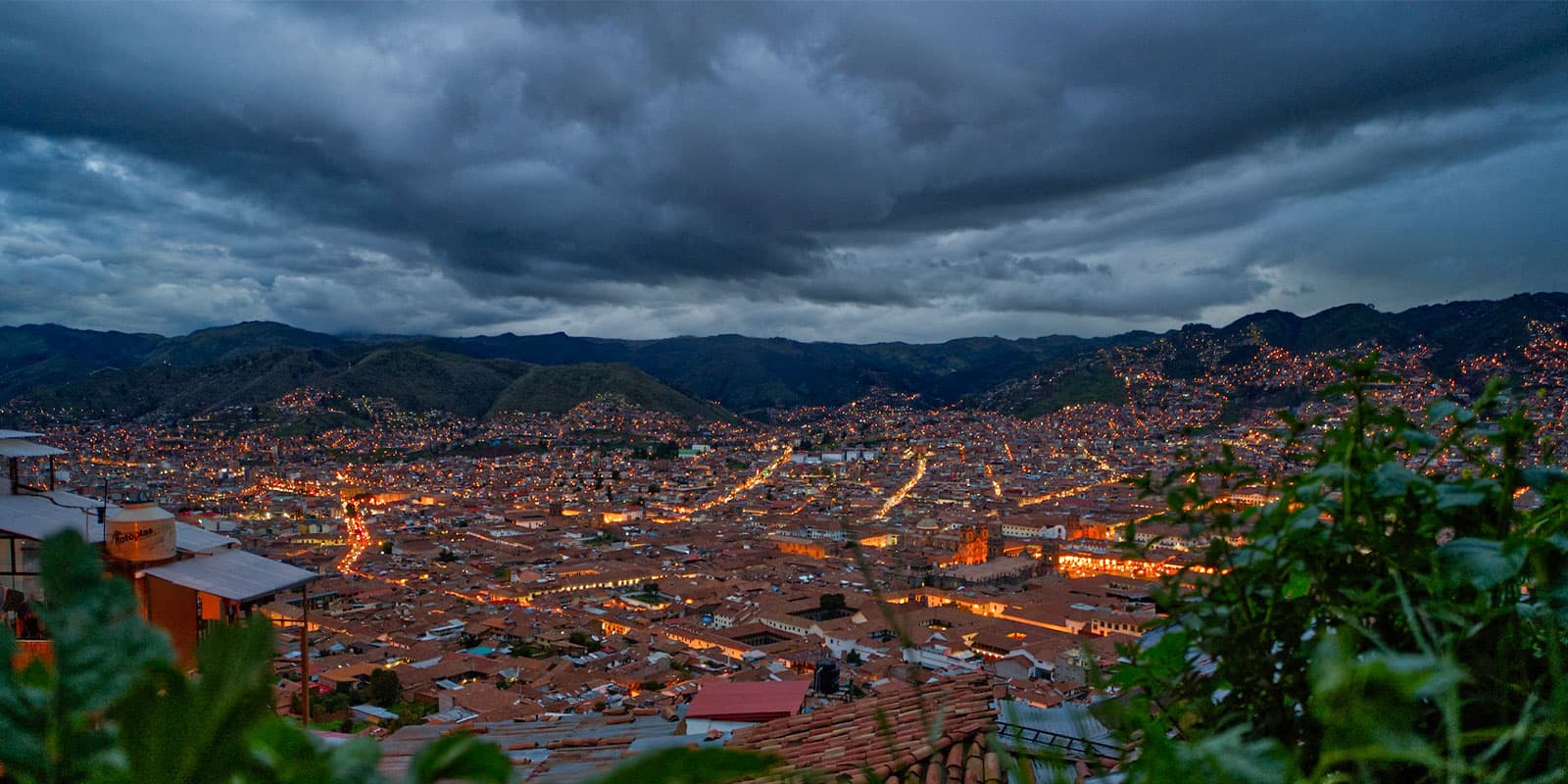
Cusco is one of the most unforgettable destinations in South America, but its high elevation can surprise many travelers, especially those arriving directly from Lima or another city near sea level. Located in the Andes at around 3,399 meters / 11,152 feet above sea level, Cusco sits higher than Machu Picchu and many towns in the Sacred Valley. For this reason, altitude sickness in Cusco, locally known as soroche, is one of the most common concerns for visitors planning the Inca Trail, Machu Picchu, Rainbow Mountain, Humantay Lake, Lares Trek, Salkantay Trek, or a full Peru itinerary.
The good news is that most travelers can reduce the risk of altitude sickness with a smart travel plan, gradual acclimatization, hydration, rest, and realistic scheduling during the first days. At Wari Expeditions, we help travelers organize their itinerary in a way that respects the altitude instead of rushing directly into demanding hikes. This guide explains what altitude sickness is, why it happens in Cusco, how to prevent it, what symptoms to watch for, and how to plan your first days in Peru more safely.
Important note: This article is for travel planning and general information only. It is not medical advice. If you have heart, lung, blood pressure, pregnancy-related, or other health concerns, consult your doctor before traveling to high-altitude destinations in Peru.
Quick Answer: How Can You Prevent Altitude Sickness in Cusco?
The best way to prevent altitude sickness in Cusco is to give your body time to adjust. Travelers should rest during the first 24 to 48 hours, drink enough water, avoid alcohol, eat light meals, sleep well, and avoid strenuous activities on arrival day. It is also better to schedule high-altitude tours such as Rainbow Mountain, Humantay Lake, Salkantay Trek, or the Classic Inca Trail after you have spent at least one or two days acclimatizing.
For many travelers, a smart itinerary starts with a calm arrival in Cusco, a relaxed city walk, or a night in the Sacred Valley before doing more demanding tours. Machu Picchu itself is lower than Cusco, but many treks and viewpoints around the region reach much higher elevations. That is why the order of your itinerary matters. A well-planned trip can make your experience more comfortable, safer, and more enjoyable.
What Is Altitude Sickness?
Altitude sickness is a reaction that can happen when your body does not have enough time to adjust to lower oxygen levels at higher elevations. As you travel higher into the Andes, the air becomes thinner and your body needs to work harder to get the oxygen it needs. This adjustment process is called acclimatization. Some travelers adapt quickly, while others need more time, even if they are young, healthy, or physically active.
In Cusco, altitude sickness is usually mild and temporary, but it should still be taken seriously. Common symptoms can include headache, tiredness, dizziness, nausea, loss of appetite, poor sleep, and shortness of breath with light activity. These symptoms often improve with rest, hydration, and time, but if they become stronger or do not improve, travelers should avoid going higher and seek medical help.
Why Does Altitude Sickness Happen in Cusco?
Altitude sickness happens in Cusco because many travelers arrive by plane from Lima, which is near sea level, and suddenly land at more than 3,000 meters above sea level. This quick change does not give the body enough time to adapt gradually. Even a short flight can create a big altitude jump, and the first few hours in Cusco may feel different: walking uphill may feel harder, breathing may feel heavier, and simple activities can require more energy.
Another reason altitude sickness is common in Cusco is that many travelers want to start tours immediately. After a long international flight and a connection through Lima, some visitors plan a city tour, Sacred Valley tour, or hiking activity the same day they arrive. This can be too much for the body. The safest approach is to treat the first day as an acclimatization day and avoid rushing.
Cusco Altitude Compared to Machu Picchu and Other Destinations
One common misunderstanding is that Machu Picchu is the highest place travelers visit in Peru. In reality, Machu Picchu is lower than Cusco. Many travelers feel better in Machu Picchu or Aguas Calientes because these places sit at a lower elevation. However, other destinations near Cusco, such as Rainbow Mountain, Humantay Lake, Lares Trek, and Salkantay Trek, can be much higher and more physically demanding.
| Destination | Approx. Altitude | Travel Advice |
|---|---|---|
| Lima | Sea level | Good arrival city before flying to Cusco. |
| Cusco | 3,399 m / 11,152 ft | Rest and acclimatize before hiking. |
| Sacred Valley | 2,600–3,000 m / 8,530–9,842 ft | Often easier for the first night than Cusco. |
| Ollantaytambo | Around 2,792 m / 9,160 ft | Good base before Machu Picchu or the Short Inca Trail. |
| Machu Picchu | 2,430 m / 7,972 ft | Lower than Cusco and usually easier for many travelers. |
| Humantay Lake | Over 4,200 m / 13,780 ft | Better after acclimatization. |
| Rainbow Mountain | Over 5,000 m / 16,400 ft | Not recommended for the first day. |
This altitude difference is important when planning your itinerary. If you arrive in Cusco and immediately hike at an even higher elevation, your body may struggle. A better plan is to start lower, move slowly, and leave the most demanding high-altitude experiences for later in the trip.
Common Symptoms of Altitude Sickness in Cusco
Mild altitude sickness usually appears within the first few hours or during the first night after arriving in Cusco. The symptoms can feel similar to a hangover, jet lag, dehydration, or tiredness from travel. For this reason, some travelers ignore the first signs and continue with a busy itinerary, which can make symptoms worse.
Common symptoms include:
- Headache
- Dizziness or lightheadedness
- Nausea or loss of appetite
- Tiredness or unusual weakness
- Difficulty sleeping
- Shortness of breath during light activity
- Faster heartbeat
- Feeling heavy while walking uphill
Mild symptoms are common and often improve with rest. However, travelers should not continue ascending or start difficult hikes if symptoms are getting worse. Resting, drinking water, eating light food, and allowing more time to adjust are usually better than forcing the body to continue.
Warning Signs: When to Seek Medical Help
Most cases of altitude sickness in Cusco are mild, but serious altitude illness can happen. Travelers should seek medical attention if symptoms become severe, do not improve with rest, or include signs such as confusion, loss of coordination, severe shortness of breath at rest, chest tightness, persistent vomiting, blue lips, extreme weakness, or difficulty walking normally.
These symptoms should not be ignored. If a traveler feels very unwell, the safest option is to stop ascending, contact a doctor, use oxygen if available, and descend to a lower altitude if necessary. Tour guides, hotel staff, and local operators in Cusco are familiar with altitude-related problems and can help arrange medical support when needed.
How to Prevent Altitude Sickness in Cusco
The most effective prevention is simple: go slowly. Your body needs time to adapt to the altitude, and the first 24 to 48 hours are especially important. Many travelers feel excited when they arrive in Cusco and want to explore everything immediately, but a calm beginning can make the rest of the trip much better.
1. Rest on Your First Day in Cusco
Your first day in Cusco should be light and flexible. Instead of booking a demanding tour right away, use the day to rest, check into your hotel, walk slowly around the historic center, drink water, and eat a simple meal. If you want to visit places, choose nearby attractions and avoid climbing steep streets too quickly. Cusco is beautiful, but the city has many hills, stairs, and cobblestone streets that can feel more difficult at altitude.
A relaxed first day does not mean wasting time. It means protecting the quality of your trip. Travelers who rest properly at the beginning often enjoy their hikes, tours, and Machu Picchu visit with more energy later.
2. Stay Hydrated, But Do Not Overdo It
Hydration is important at altitude because the air is dry and travelers often lose more fluids through breathing. Drink water throughout the day, especially after flights, train rides, or walks around the city. However, it is not necessary to drink excessive amounts. The goal is steady hydration, not forcing your body with too much water at once.
It is also helpful to limit caffeine and avoid alcohol during the first day or two. Alcohol can affect sleep and hydration, which may make altitude symptoms feel worse. A light dinner and a good night of sleep are more useful than a heavy meal or drinks on arrival night.
3. Eat Light Meals During the First 24 Hours
Heavy meals can make some travelers feel uncomfortable during the first day at altitude. Choose lighter foods such as soups, vegetables, rice, chicken, trout, quinoa, or simple Andean dishes. Cusco has excellent restaurants, but it is better to save large meals, rich sauces, and alcohol for later in the trip once your body has adjusted.
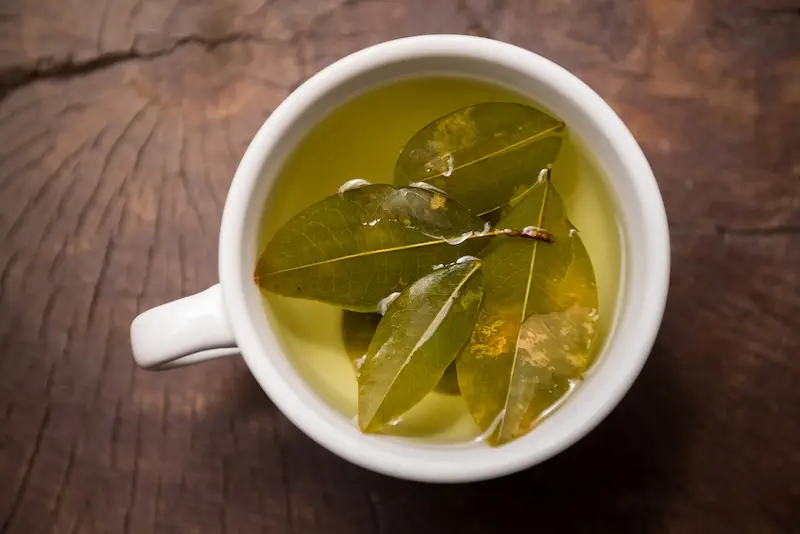
Many hotels and restaurants offer coca tea or muña tea. These traditional herbal drinks are commonly used in the Andes and may help travelers feel more comfortable. They are part of local culture, but they should not be treated as a medical cure. Rest, hydration, and gradual acclimatization are still the most important steps.
4. Avoid Difficult Tours on Arrival Day
Tours such as Rainbow Mountain, Humantay Lake, Salkantay Trek, Lares Trek, and the Classic Inca Trail should not be planned immediately after arriving in Cusco. These experiences are beautiful, but they require more physical effort and often take travelers to higher elevations than Cusco itself.
If your itinerary is short, it may be tempting to do everything quickly. However, rushing can reduce your enjoyment and increase the risk of feeling unwell. A better sequence is to spend one day in Cusco or the Sacred Valley, then visit Machu Picchu or do a moderate tour, and leave the highest hikes for later.
5. Consider Sleeping in the Sacred Valley First
For some travelers, especially those who are sensitive to altitude, sleeping in the Sacred Valley on the first night can be a smart choice. Places like Urubamba and Ollantaytambo are lower than Cusco and can feel easier for acclimatization. This is also a practical option for travelers planning the Short Inca Trail, Machu Picchu, or a Sacred Valley tour before returning to Cusco.
The Sacred Valley is not only lower; it is also warmer and calmer than Cusco. Travelers can enjoy archaeological sites, local markets, Andean villages, and beautiful landscapes without pushing the body too hard on the first day. This is one reason why many well-designed Peru itineraries include the Sacred Valley before Machu Picchu or major treks.
Best First-Day Itinerary After Arriving in Cusco
A good first-day plan should be simple, realistic, and flexible. After arriving at the airport, transfer to your hotel, drink water, rest for a few hours, and walk slowly if you feel well. If you want to explore, stay close to the historic center and avoid rushing uphill. Good light activities include visiting the Plaza de Armas, San Blas at a slow pace, a local café, or a short cultural walk.
Avoid planning Rainbow Mountain, Humantay Lake, or a full-day hiking tour on your first full day. Even if you feel fine at first, symptoms can appear later, especially at night. The goal of your arrival day is not to complete many activities. The goal is to help your body adapt so the rest of your Peru trip goes smoothly.
Recommended Itinerary Order to Reduce Altitude Risk
The order of your itinerary can make a big difference. At Wari Expeditions, we often recommend arranging tours from easier to more demanding, especially for travelers arriving from low-altitude countries such as the United States, Canada, Australia, or European coastal cities.
A smart itinerary could look like this:
Option 1: Classic Acclimatization Route
Day 1: Arrive in Cusco and rest
Day 2: Sacred Valley tour or easy Cusco tour
Day 3: Machu Picchu or Short Inca Trail
Day 4: Free day or moderate activity
Day 5: Rainbow Mountain, Humantay Lake, or high-altitude hike
This plan gives your body more time to adjust before doing the most demanding activities. It also allows you to enjoy Machu Picchu with more energy and less stress.
Option 2: Sacred Valley First
Day 1: Arrive in Cusco and transfer to the Sacred Valley
Day 2: Explore Pisac, Maras, Moray, Ollantaytambo, or local communities
Day 3: Machu Picchu or Short Inca Trail
Day 4: Return to Cusco
Day 5: Higher-altitude tour if you feel ready
This option is excellent for travelers who want a gentler start. It is also useful for families, seniors, honeymooners, and travelers who prefer a more comfortable pace.
Should You Take Medication for Altitude Sickness?
Some travelers ask their doctor about medication such as acetazolamide before traveling to Peru. This can be useful for certain people, especially those with a history of altitude sickness or a fast itinerary that does not allow much time for acclimatization. However, medication is a medical decision and should be discussed with a healthcare professional before your trip.
Do not wait until you feel very sick to ask for help. If you are concerned about altitude, speak with your doctor before traveling, especially if you have asthma, heart conditions, lung conditions, pregnancy, blood pressure issues, or previous severe altitude reactions. Your doctor can advise whether medication is appropriate for you and how to use it safely.
If you feel strong or persistent symptoms of altitude sickness during your stay in Cusco, it is important to seek professional medical help. For travelers who need medical attention, you may contact a trusted local clinic such as Clínica Pardo in Cusco.
Is Coca Tea Good for Altitude Sickness?
Coca tea is widely offered in hotels, restaurants, and tour lodges in Cusco. It is part of Andean culture and has been traditionally used by local communities for energy and comfort at altitude. Many travelers drink coca tea when they arrive and feel that it helps them adapt more comfortably.
However, coca tea should not replace rest, hydration, proper acclimatization, or medical advice. It may help some travelers feel better, but it is not a guaranteed prevention method or treatment for serious symptoms. If you feel unwell, rest and speak with your guide, hotel staff, or a medical professional.
Is Machu Picchu Easier Than Cusco for Altitude?
Yes, Machu Picchu is lower than Cusco, and many travelers feel better there. Machu Picchu is around 2,430 meters / 7,972 feet above sea level, while Cusco is around 3,399 meters / 11,152 feet. This means the air at Machu Picchu can feel easier for some visitors, especially after spending time in Cusco or the Sacred Valley.
However, the journey to Machu Picchu may still involve walking, stairs, humidity, early mornings, and long travel days. If you are doing the Short Inca Trail or hiking to viewpoints, you still need to be prepared. Even though Machu Picchu is lower, good pacing and hydration are important.
Which Tours Should You Avoid on Your First Day?
Travelers should avoid very high or physically demanding tours immediately after arriving in Cusco. These include Rainbow Mountain, Humantay Lake, Salkantay Trek, Lares Trek, Ausangate Trek, and sometimes even full-day tours with long walking sections if the traveler feels tired from international flights.
Better first activities include a relaxed Cusco city walk, a gentle Sacred Valley itinerary, a rest day, or a private tour with a flexible pace. Private tours can be especially helpful because the guide can adjust the timing, walking speed, and stops based on how you feel.
Altitude Sickness and the Inca Trail
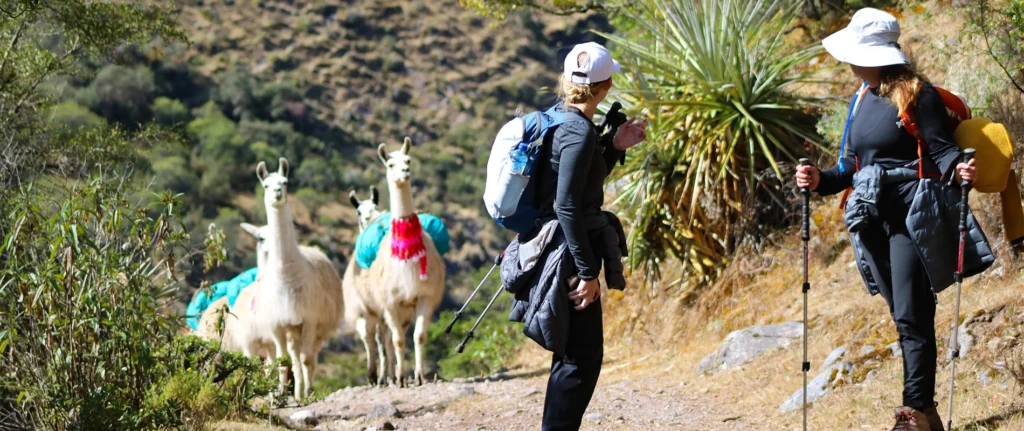
The Inca Trail is one of the most famous hikes in the world, but it should be planned carefully because parts of the trail are much higher than Cusco and Machu Picchu. The Classic Inca Trail reaches high mountain passes, while the Short Inca Trail is less demanding but still requires walking, stairs, and a full day of activity.
If you are planning the Classic Inca Trail, we recommend arriving in Cusco at least two days before the hike. This gives your body time to adjust and gives you a buffer in case of flight delays, tiredness, or mild symptoms. For the Short Inca Trail, it is still better to arrive at least one day before and consider spending time in the Sacred Valley or Ollantaytambo before starting.
How Wari Expeditions Helps Travelers Manage Altitude
At Wari Expeditions, we design Peru itineraries with altitude in mind. Instead of placing the most difficult hikes at the beginning, we usually recommend a gradual route that allows travelers to acclimatize before reaching higher elevations. Our guides are local professionals who understand the conditions in Cusco, the Sacred Valley, Machu Picchu, and the surrounding mountain routes.
We also recommend realistic pacing, flexible planning, and clear communication. If a traveler feels unwell, our guides can adjust the rhythm, suggest rest stops, coordinate support, and help decide whether continuing is appropriate. A good itinerary is not only about visiting famous places; it is about enjoying them safely and comfortably.
Practical Packing Tips for High-Altitude Travel in Cusco
Packing well can make your trip more comfortable. Cusco weather can change quickly, and altitude can make your body feel colder or more tired than usual. Bring layered clothing, a refillable water bottle, sun protection, comfortable walking shoes, and any personal medication recommended by your doctor.
Useful items include:
- Refillable water bottle
- Light jacket or fleece
- Rain jacket or poncho
- Sunscreen and sunglasses
- Hat or cap
- Comfortable hiking shoes
- Electrolytes if you normally use them
- Personal medication
- Small daypack
- Light snacks
Even if your tour is not very difficult, the combination of altitude, sun, stairs, and early mornings can make a normal day feel more tiring. Packing smart helps you stay comfortable and prepared.
Who Is More Likely to Feel Altitude Sickness?
Altitude sickness can affect anyone, regardless of age, fitness level, or travel experience. Being athletic does not guarantee protection. In fact, some very active travelers feel unwell because they push themselves too hard during the first days. The body needs oxygen adaptation, not only physical strength.
Travelers who may need extra caution include people with previous altitude sickness, those arriving directly from sea level, travelers with tight itineraries, people who plan high-altitude hikes immediately, and anyone with medical conditions. Seniors, families with children, and travelers with limited time should consider a slower itinerary and private services for more flexibility.
Best Places to Acclimatize Near Cusco
Cusco itself is a great cultural destination, but it is not always the easiest place to acclimatize because it is higher than the Sacred Valley and full of steep streets. If you want a gentler start, the Sacred Valley is one of the best options. Towns like Urubamba, Yucay, and Ollantaytambo offer lower elevation, beautiful scenery, and easier access to Machu Picchu.
Ollantaytambo is especially useful because it has a train station to Machu Picchu and is close to the starting logistics for some routes. Spending a night there before Machu Picchu or the Short Inca Trail can make the trip smoother. It also allows travelers to experience a living Inca town instead of only passing through.
What to Do If You Feel Altitude Sickness in Cusco
If you start feeling symptoms, do not panic and do not ignore them. Stop physical activity, rest, drink water slowly, eat something light if you can, and avoid alcohol. Let your guide, hotel staff, or travel operator know how you feel. In Cusco, many hotels and tour companies are used to helping travelers with mild altitude discomfort.
If symptoms are strong, worsening, or unusual, seek medical help. Do not continue to a higher altitude if you feel worse. The safest decision may be to rest longer, adjust your itinerary, use oxygen if recommended, or descend to a lower place such as the Sacred Valley. A flexible itinerary is valuable because it gives you options.
Final Travel Advice Before Visiting Cusco
Altitude sickness should not scare you away from visiting Cusco, Machu Picchu, or the Andes. Thousands of travelers enjoy this region every year with proper planning. The key is to respect the altitude, avoid rushing, and give your body time to adjust. A slower beginning often leads to a better overall experience.
If your Peru trip includes Machu Picchu, the Inca Trail, Rainbow Mountain, or other high-altitude destinations, plan the order carefully. Start with easier activities, sleep well, hydrate, and leave the most demanding hikes for later. With the right itinerary and a responsible local operator, you can enjoy Cusco and the Andes with more confidence.
Frequently Asked Questions About Altitude Sickness in Cusco
How long does altitude sickness last in Cusco?
Mild altitude sickness often improves within 24 to 48 hours if the traveler rests, hydrates, eats lightly, and avoids further ascent. Some people adjust faster, while others need more time. If symptoms worsen or do not improve, it is important to seek medical advice and avoid strenuous tours.
Is Cusco higher than Machu Picchu?
Yes. Cusco is around 3,399 meters / 11,152 feet above sea level, while Machu Picchu is around 2,430 meters / 7,972 feet. Many travelers are surprised to learn that Machu Picchu is lower than Cusco and may feel easier once they arrive there.
Should I visit Sacred Valley before Machu Picchu?
Yes, visiting or sleeping in the Sacred Valley before Machu Picchu can be a good idea. The Sacred Valley is lower than Cusco and can help travelers acclimatize more comfortably. It is also a beautiful region with archaeological sites, traditional villages, markets, and scenic landscapes.
Can I do Rainbow Mountain on my first day in Cusco?
It is not recommended. Rainbow Mountain is much higher than Cusco and requires an early start, driving, walking, and physical effort at high elevation. It is better to do Rainbow Mountain after one or two days of acclimatization.
Is altitude sickness dangerous?
Mild altitude sickness is common and usually improves with rest, but severe altitude illness can be dangerous. Warning signs include confusion, difficulty walking, severe shortness of breath at rest, persistent vomiting, chest symptoms, or extreme weakness. These symptoms require immediate medical attention.
Does fitness prevent altitude sickness?
No. Fitness does not guarantee protection from altitude sickness. Even strong hikers and athletes can feel symptoms if they ascend too quickly. Acclimatization depends on how your body adapts to lower oxygen levels, not only on physical condition.
What is the best first-day activity in Cusco?
The best first-day activity is something light and flexible, such as resting, walking slowly around the Plaza de Armas, visiting a nearby café, or taking a gentle cultural walk. Avoid hiking, long tours, alcohol, and heavy meals on arrival day.
Should I take altitude sickness pills before Cusco?
Some travelers ask their doctor about medication before traveling to high altitude. This depends on your health, itinerary, and previous experience with altitude. Always consult a medical professional before taking medication for altitude sickness.
Is the Short Inca Trail difficult with altitude?
The Short Inca Trail is less demanding than the Classic Inca Trail, but it still involves hiking, stairs, sun exposure, and a full day of activity. It is better to arrive in Cusco or the Sacred Valley at least one day before starting the hike.
How many days should I acclimatize before the Classic Inca Trail?
For the Classic Inca Trail, it is best to arrive in Cusco at least two days before the trek. This gives your body time to adjust and helps reduce the risk of feeling unwell during the hike.
Plan Your Peru Trip With Altitude in Mind
A well-designed itinerary can make a big difference in how you experience Cusco, Machu Picchu, and the Andes. At Wari Expeditions, we help travelers plan Peru trips with realistic pacing, local knowledge, and responsible logistics. Whether you are planning the Short Inca Trail, Classic Inca Trail, Sacred Valley, Rainbow Mountain, or a full Peru package, our team can help you choose the right order of activities for a safer and more enjoyable journey.
Contact Wari Expeditions to plan a custom Peru itinerary that gives you time to acclimatize and enjoy every destination with confidence.
