

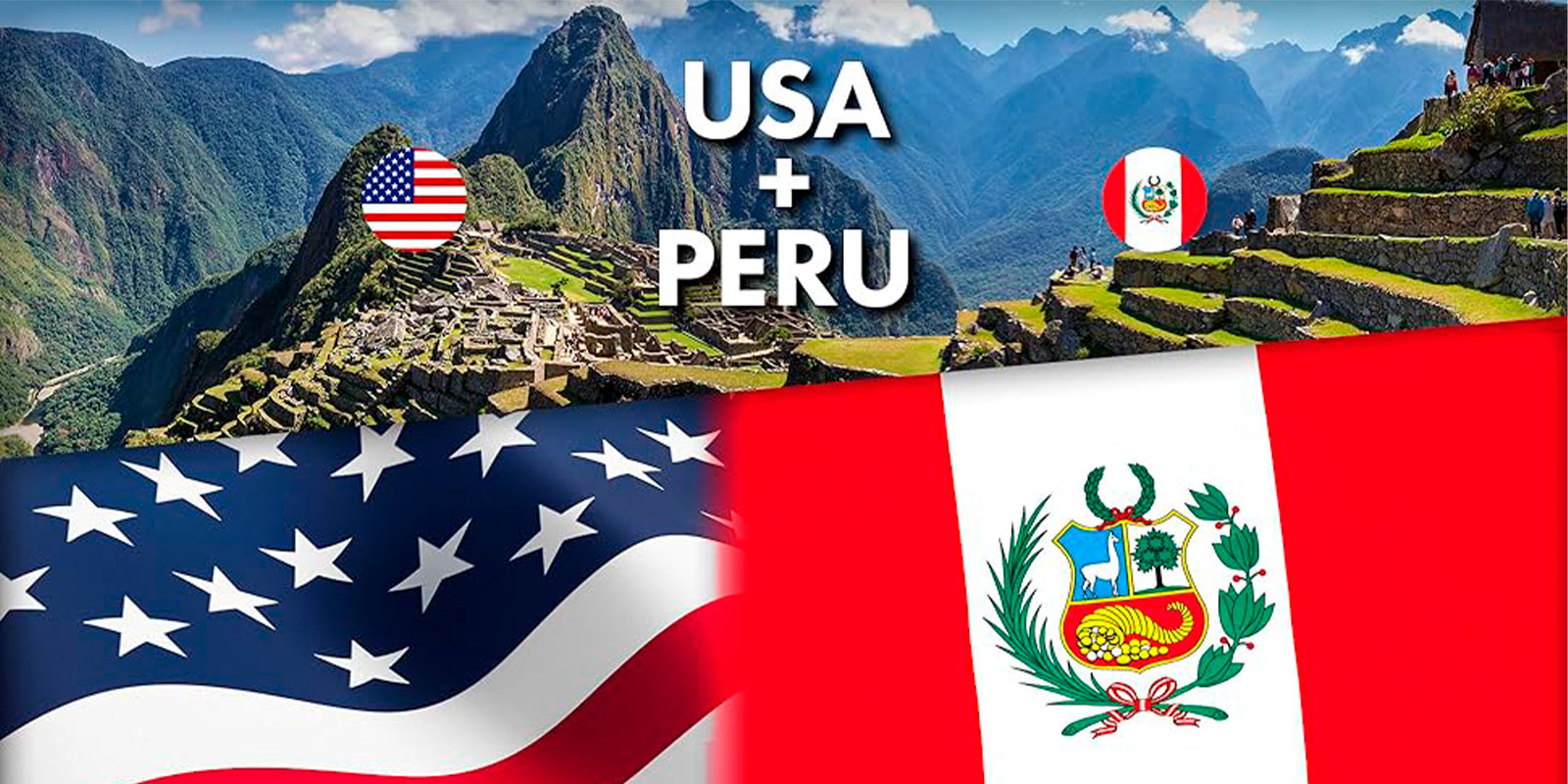
Peru has long been a must-see destination for American travelers. From the gastronomic capital of Lima to Machu Picchu and Cusco, the capital of the Inca Empire.
However, traveling to South America involves different logistics than traveling to Europe or the Caribbean. As a local travel agency based in Cusco, we have helped thousands of travelers from the United States plan the perfect trip.
1. Entry Requirements: Do US Citizens Need a Visa?
The short answer is: No.
Peru has a very welcoming policy for American tourists.
- Visa: US citizens do not need to apply for a visa in advance for tourism purposes. You will receive a stamp upon arrival at the airport, which normally allows you to stay for up to 90 days.
- Passport: This is the most important rule. Your passport must be valid for at least 6 months from the date of arrival. If your passport expires within that period, US airlines will not allow you to board.
- Return ticket: Immigration officials may sometimes request proof of your return flight or onward journey.
2. Flights: How to Get to Peru from the US
Most international flights land at Jorge Chávez International Airport (LIM) in Lima. Depending on your home state, you have several direct options:
Non-Stop Hubs
- East Coast: Miami (MIA), Fort Lauderdale (FLL), New York (JFK/EWR), Atlanta (ATL).
- Central: Houston (IAH), Dallas (DFW).
- West Coast: Los Angeles (LAX).
Pro Tip for Connecting to Cusco: If your final goal is Machu Picchu, you cannot fly directly to Cusco from the US. You must clear immigration and customs in Lima first, pick up your bags, and re-check them for your domestic flight to Cusco (approx. 1 hour 15 minutes).
We recommend leaving at least a 3-hour layover window in Lima to reduce stress.
3.-Money Matters: Dollars, Soles, and the “Pristine Bill” Rule
The currency in Peru is the Nuevo Sol (PEN), but the US Dollar is widely used in tourism.
- The “flawless bill” rule: this is a rule unique to Peru. Businesses and banks will refuse US dollar bills that show even the slightest tear, ink stain, or excessive wear. Bring new bills in good condition.
- Credit cards: Visa and Mastercard are widely accepted in hotels and restaurants in Lima and Cusco. However, always carry cash (soles) for small souvenir shops, taxis, and water.
- ATMs: You can withdraw soles or dollars from ATMs (GlobalNet, BCP, Scotiabank, Interbank, and BBVA). Check with your US bank about foreign transaction fees before traveling.
4.- Electronics: Will my US phone charger work?
In the USA, the standard voltage is 110V. In Peru, it is 220V.
Smartphones & Laptops: Most modern chargers (iPhone, Samsung, MacBooks) are “dual voltage” (read the fine print on your plug: “Input 100-240V”). These are safe to use directly.
Hair Dryers & Straighteners: Most of these are single voltage (110V). Do not plug them in unless you have a voltage converter, or they will fry immediately.
Plugs: Peru uses a mix of flat pins (US style) and round pins (Euro style). Most hotels have universal sockets, but carrying a simple Type A to Type C adapter is recommended.
5.- Health and altitude in Cusco
Going from sea level in the United States to the Andes (over 3,300 meters) is a big jump.
- Acclimatization: plan to spend your first day in Cusco resting. Don’t book a strenuous hike for the day you arrive.
- Water: Do not drink tap water in Peru. It is not safe to drink. Consume only bottled or filtered water.
- Vaccinations: No special vaccinations are required for Lima or Cusco. The yellow fever vaccine is only recommended if you plan to visit the deep Amazon rainforest (Iquitos or Puerto Maldonado).
Is travel insurance mandatory when visiting Peru?
While it is not mandatory to have travel insurance to visit Peru, it is highly recommended to purchase it before traveling. Travel insurance can provide financial protection and assistance in case of medical emergencies, flight cancellations, lost luggage and other unforeseen events during the trip.
In addition, some tourist activities in Peru, such as trekking the Inca Trail or visiting certain remote areas, may require specific insurance. Therefore, having adequate travel insurance can provide additional peace of mind and protection during your stay in Peru.
Are you ready for your trip to Peru? Whether you want a luxury experience on the Hiram Bingham train or an adventure on the Inca Trail, we can customize the perfect itinerary for you.
Choosing the best time to travel can make a big difference in your experience. If you want to better understand the seasons and weather patterns in Peru before visiting Machu Picchu, you can read our article about what the climate is like in Peru.
